
Learning to drive is a significant milestone for any teenager, and it’s also a big responsibility for any parent who chooses to supervise their child’s practice sessions. Being a parent supervisor can be both challenging and rewarding, as it requires patience, understanding, and a strong commitment to safety. In this blog, I’ll share some tips and strategies for parents who are supervising their teen driver during private practice.

Creating a Safe and Supportive Environment
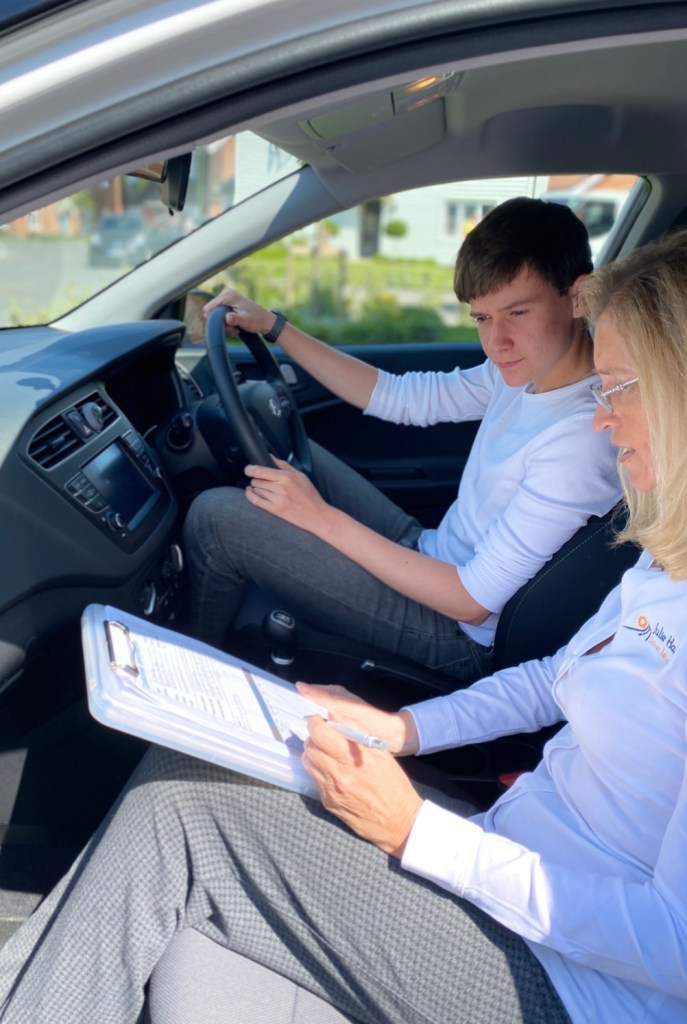
One of the most important things you can do as a parent supervisor is to create a safe and supportive environment for your teen driver.
Here are some tips to help you do that:
- Make the time: Practice sessions should be scheduled at a time and place when both you and your teen are well-rested, alert, and focused. Mark it on your calendar and give it the importance you would to any other scheduled meeting. We all lead busy lives and if you don’t carve out the time and commit to it; the weeks will go by, you’ll be paying more to your professional instructor than you might otherwise need to and your teen will be missing out on valuable practice which will ultimately make them safer, more experienced full license holders.
- Choose a suitable training area: As a professional trainer one of the keys to a safe, successful lesson is making sure the training area is suited to the student’s current level of ability. Take advice from your driving instructor as to where you should go to practice and be led by them as to the right time to start practicing between lessons. Plan where you intend to go in advance to avoid situations above their skill set which will damage confidence and create a danger to yourselves and others. Think of the types of hazards you might encounter along your chosen route, and discuss in advance with your teen and/or driving instructor, whether they have the skills to cope and how much support they may need from you. If in doubt choose a simpler route.
- Agree clear expectations/goals: Be clear about your expectations and goals for each practice session. Make sure you both agree what you’re working on and what they need to improve. This will give a sense of achievement rather than driving without purpose and just putting out fires along the way. Again, take advice from your instructor as to what you need to work on and also the best way to tackle it.
- Stay calm and patient: Learning to drive can be stressful for both the teen and the parent supervisor. There is also a different dynamic at play than with a professional virtual stranger! Try to remain calm and patient, even when things get challenging. If things are getting too stressful could it be that the training area is too difficult? Try doing the same thing on a quieter road to keep things calmer, safer and preserve confidence. In any event avoid yelling or using negative language as it can create anxiety and make your teen more nervous behind the wheel.
Providing Constructive Feedback
Feedback is a crucial part of the learning process, and it’s essential that parents provide constructive feedback to their teen driver. It can be quite easy to become fault focused so instead try and focus on areas which have improved.
Here are some tips to help you provide feedback effectively:
- Encourage Self Reflection: Your teen will likely be unreceptive to any negative feedback from you so try to focus on the positives with your feedback and encourage them to self analyze where they might need to improve. Ask questions such as “Is there anything which you think needs more practice?” “What will you need to do differently to improve?” This then opens up a conversation where they should be more receptive to your comments.
- Focus on positive reinforcement: Praise your teen driver for their progress and accomplishments. Positive reinforcement can boost their confidence and encourage them to keep working hard.
- Refer back to your driving instructor: If your teen is also having professional lessons try to avoid giving conflicting advice by referring any questions back to your instructor. Your teen will be more receptive to feedback if they know they can trust the advice you are giving. If you don’t have a professional instructor (or would just like some general free advice anyway – you don’t need to be one of my students) follow this link to join my Facebook group https://www.facebook.com/groups/juliehazelldrivereducation which is open to any learner and their supervising driver. Here I share lots of tips and tricks for getting the most from your private practice as well as practical help and advice around all things driving. You can post any questions you might have and I would be delighted to support you..
Managing Challenging Situations
Even the most experienced drivers face challenging situations on the road, so it’s important to teach your teen driver how to handle these situations safely. Here are some tips to help you manage challenging situations during practice sessions:
- Practice defensive driving: Teach your teen driver defensive driving techniques such as scanning the road ahead, anticipating other drivers’ actions, maintaining a safe following distance and holding back from developing hazards.
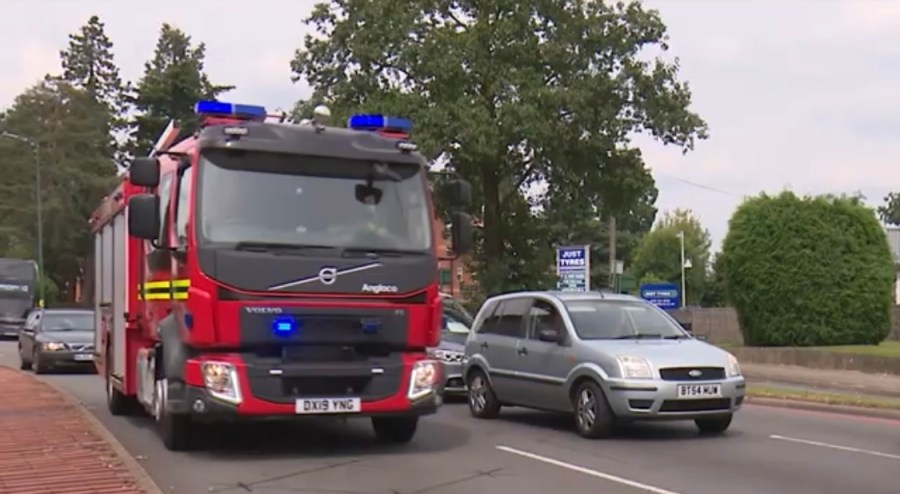
- Dealing with emergency services: Make sure your teen driver knows how to safely allow access for emergency vehicles. The sirens and blue lights can be quite intimidating which may cause them to take unsafe action if they are not prepared. This 3 minute video is well worth a watch and offers some great advice as to how to safely deal with emergency vehicles
- Remain calm and in control: If your teen driver gets into a challenging situation, try to remain calm and in control. Help them stay focused and provide guidance on how to handle the situation safely.
Supervising your teen driver during private practice can be challenging, but it can also be very rewarding and provides an opportunity for you to help them become a safe and more confident driver through gaining more experience before they obtain their full license. By creating a safe and supportive environment, providing constructive feedback, and managing challenging situations effectively, you can help your teen driver build their skills and confidence on the road.
Remember… the most important thing is to stay patient, calm, and supportive throughout the process, and manage risk by planning your route in advance.

 Julie Hazell Driver Education