Teaching a teenager to drive can be a daunting task for any parent. From the anxiety of handing over the keys, to the uncertainty of navigating junctions and roundabouts, the journey towards helping your teen become a confident, safe driver is filled with challenges. But fear not – there’s a solution at hand. In this blog post, we’ll explore some invaluable tips and insights for supervising drivers, drawing from Julie’s extensive knowledge as a seasoned driving instructor and author of the transformative book, “Learn to Drive at Home.” Join us as we delve into the world of supervising a learner driver, and discover how you can empower yourself and your teen to navigate the road with confidence.
Understanding the Basics:
Before diving into the intricacies of improving your skills as a supervising driver, it’s essential to understand the basics. From explaining how to master clutch control, to understanding the importance of moving away safely, laying a solid foundation is key. Julie’s book offers comprehensive guidance on these fundamental aspects, providing clear explanations and actionable tips to help you and your teen get started on the right foot.
Choosing the Right Practice Areas:
One of the most crucial factors as a supervising driver is selecting the appropriate practice areas for your learner. Whether it’s an empty car park for mastering basic clutch control and steering, or a quiet residential street for building confidence with simple junctions, the right environment can make all the difference. Julie’s book offers valuable insights into choosing safe and suitable practice areas, ensuring a positive learning experience for both you and your teen.
Effective Communication:
Communication is key when it comes to supervising a learner. Clear and concise instructions can help your teen understand what’s expected of them and how to navigate different driving scenarios effectively. Julie’s book provides practical tips for effective communication, empowering you to guide your teen with confidence and clarity.
Recognizing Common Mistakes:
As a supervising driver, it’s essential to be vigilant and attentive to your teen’s driving behavior. Recognizing common mistakes and addressing them promptly can prevent bad habits from forming and ensure safer driving practices. Julie’s book outlines common mistakes to look out for and offers practical solutions for correcting them, equipping you with the knowledge and skills needed to support your teen’s driving journey effectively.
Building Confidence and Independence:
Perhaps the most rewarding aspect of being a supervising driving is witnessing your teen’s growth and development behind the wheel, and knowing that you are playing a positive role in their journey. By providing encouragement, support, and guidance, you can help your teen build confidence and independence on the road. Julie’s book offers valuable insights into fostering a positive learning environment, empowering you to nurture your teen’s driving skills with patience and positivity.
Teaching or supervising anyone to drive is a significant milestone in both their lives and yours. When it’s your own child you’re empowering however, the sense of pride and accomplishment you will feel is tenfold! By equipping yourself with the right knowledge and strategies, you can make this journey a positive and empowering experience for all involved. Julie’s book, “Learn to Drive at Home,” is a valuable resource that offers practical tips, insights, and guidance for supervising drivers. Even though you may be a seasoned driver, supervising a learner can still be an overwhelming prospect, this book will guide you every step of the way on this empowering journey. So why wait? Dive into the world of becoming an outstanding supervising driver today, and embark on a transformative journey towards safer roads and confident drivers.
Welcome to a journey where the mastery of the road intertwines with the elegance of bespoke jewellery. As a qualified driving instructor based in the UK, my mission is to guide learners toward confidence, safety, and excellence on the road. But there’s more to our story than driving; there’s a world of bespoke craftsmanship waiting to be explored.
Many of you reading this will know me as Julie the Driving instructor, but today I invite you to delve into the realms of my two distinct yet harmoniously intertwined businesses that have been shaping dreams for almost two decades. Join me on an odyssey through the empowering domain of driver education and the glittering world of jewellery design.
As a qualified driving instructor with a growing reputation in the UK, I offer a wholistic approach to driver education. From traditional lessons, alternative therapies for dealing with challenges such as test nerves, to unique online offerings, I am committed to empowering learners with the skills needed for a confident and safe driving experience.
Driving in the Digital Age
As we embrace the digital age, we bring learning to drive directly to your doorstep. “Learn2Drive at Home” and “Parallel Parking Pro” are our current online offerings designed to support private practice, offering convenience, affordability and flexibility to your learning to drive experience. Dive into the details of these unique courses and gear up for a future where learning to drive is both accessible and effective.
Save Money on Traditional Driving Lessons with Learn2Drive at Home
(formerly known as Teach Your Teenager to Drive Bootcamp)
In 2024, we are thrilled to announce enhancements to “Learn2Drive at Home” which is our online course designed to support private practice, providing supervising drivers with the skills to support a learner driver without passing on their bad habits. At just £29.99 Learn2Drive at home already represents incredible value. Sign up in the next 7 days using code LEARN2DRIVE15 to receive a further 15% discount!
Explore the features of this unique online course here and stay tuned for updates as we continue to evolve in the digital age.
Master the Art of Parking with Parallel Parking Pro
Parallel parking can be a daunting task for many learners. Our specialized online course, “Parallel Parking Pro,” is here to demystify this skill. Offering a proven formula for consistency, explaining what the examiner is looking for on test day and helping your supervising driver to support you in the correct way whilst you learn.
Dive into the course details HEREsign up in the next 7 days using code PPPDRIVE15 for a 15% discount, and learn how mastering Parallel Parking can boost your confidence learning maneuvers.
2 for the Price of 1. Ready to boost your driving skills even further? Enroll in “Learn2Drive at Home” in the next 7 days and receive “Parallel Parking Pro” absolutely FREE!
Don’t Delay, Buy Now, Save Money and Drive Confidently with our Expert Guidance.
The Extended Offering – An E-Book for Driving Success Coming Soon!
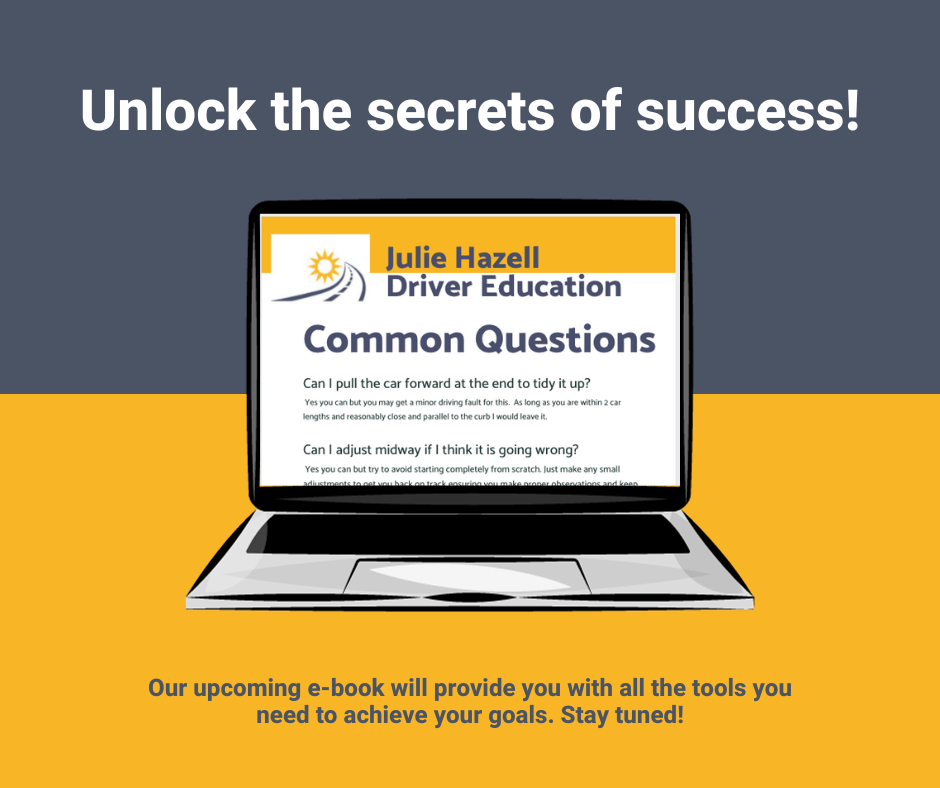
In a groundbreaking move, we are extending our online offerings with an e-book designed to complement and expand your driving education. This comprehensive guide will help your supervising driver support you in the correct way during private practice. It will give tips for learning driving basics, strategies for learning from mistakes, insider hacks, driving instructor “lingo” and so much more! Stay tuned for the release of this invaluable resource and sign up for our newsletter giving details of ourEXCLUSIVE SPECIAL OFFER HERE.
These online offerings provide convenience and flexibility, but there’s another layer to our story. Did you know? Beyond the world of driving, I am also a professional jewellery designer and qualified diamond expert, crafting bespoke pieces of jewellery that tell unique stories.
Introducing the Glittering World of Bespoke Jewellery
For nearly 20 years, on the other side of the world, our workshop in Dubai has been a haven for those seeking the epitome of craftsmanship in jewellery design. Specializing in engagement rings, and bespoke creations, we’ve become the family jeweller of choice to a global clientele in Dubai, the UK, and beyond. We can create almost any jewellery design to order and ship anywhere in the world at a fraction of the cost of UK prices. Our dream team, comprising of myself, owner, diamond professional and jewellery designer, Mary, my dedicated assistant, and Saif, our skilled factory manager, are committed to exceeding expectations in service, quality and value for money.
While engagement rings hold a special place in our hearts, our expertise extends far beyond. Earrings, rings, pendants, and bracelets – each piece tells a unique story of personal expression and refined taste. Join us in the exploration of bespoke designs that transcend the ordinary and redefine elegance.
Exciting plans are in store for 2024 as we enhance our digital design service, allowing you to be part of the creative process from anywhere in the world.
Treat yourself or a loved one to a piece which tells your unique story. Email me for a FREE CONSULTATION at julie@JewelsGDPDubai.com or message me on 0044 7 597 080 649. Quote DRIVEJEWEL15 to receive a special introductory 15% discount valid for the next 7 days on any purchase.
Need inspiration? Explore our exquisite jewelry collection HERE and discover timeless pieces that tell stories of love and commitment.
Our commitment goes beyond passing a driving test; it’s about empowering learners for a lifetime of safe and confident driving. Explore our courses, learn about the elegance of bespoke jewellery, and stay tuned for the launch and early access to our upcoming e-book. The journey to driving excellence and the artistry of bespoke elegance begins here. Join us in crafting dreams that span both the adventure of the open road and the beauty of jewellery as we embrace a journey of continuous growth and success.
Every year, countless new drivers embark on a journey to obtain their driver’s license, and for many, it can be a daunting experience. Passing the driving test is a pivotal moment and an experience you will never forget, but it requires more than just basic driving skills. The UK’s Driver and Vehicle Standards Agency (DVSA) has recently released data highlighting the top 10 faults made in car driving tests between April 2022 and March 2023. In this month’s blog, we’ll explore these common mistakes and provide valuable insights to help aspiring drivers avoid them to increase their chances of success.
1. Not Making Effective Observations at Junctions.
This has remained at number 1 in the top 10 for many years and latest figures confirm it is still the main reason to cause you to fail your driving test! So let’s take a closer look at what you might be doing which would result in this fault…
When waiting to emerge or turn you might misjudge the speed of approaching traffic causing them to slow down.
If you’re emerging you must be able to leave the junction and get up to an appropriate, safe, legal speed before any approaching traffic reaches you, and without causing them to change speed or direction because of your actions.
If you’re waiting to turn right from a main road, you must be able to cross the path of any approaching traffic without causing them to slow down.
When making these decisions, consider the speed limit of the road you’re on or wanting to join, the width of the road you’re turning into, and whether there are any emerging vehicles or hazards near the entrance. This will create less space and will effect the speed at which you can safely cross the traffic.
You might enter a roundabout when a vehicle is approaching from the right.
The key to dealing with roundabouts safely is to set your car up in good time on the approach, control your speed so you can stop safely if you need to, look early and keep looking!!!
Things change very quickly on roundabouts, so don’t make the go decision too soon, and always be prepared to change your mind and stop if necessary! Mentally divide the roundabout into quarters, and don’t enter if you have traffic already on the roundabout in the quarter to your right, or if you have traffic in the exit to your right which is about to enter.
You might not make any effective observations at all!
Just because you look doesn’t mean you see! It could be that you make a quick last second glance which is not enough for you to process what is actually there. Frequent glances on the approach, at the mouth of the junction and just before taking action is the key to effective observations. Look, Assess, Decide, Act (LADA).
You may not make effective observations when joining a dual carriageway from a slip road.
Use your mirrors to monitor the main carriageway as you travel down the slip road, your wing mirrors don’t give an accurate indication of distance due to the convex glass, so make sure you also use your centre mirror, adjust speed to fit with traffic already on the road, remember the 2 second rule to ensure you don’t get too close to other traffic, and make a final blind spot check before entering.
Going straight ahead at crossroads.
Crossroads can be tricky places… make sure you understand how to deal with them properly, take time to assess which direction other drivers might be going at the crossroads, remember to look ahead as well as left and right, try to get eye contract with the opposite driver and don’t assume anything!!!
You might look too late on approach.
Late observations at junctions will almost always result in poor decisions. Looking too late doesn’t give you time to properly process what you see. This usually results in you going when it’s not safe, or stopping when you didn’t need to, which can result in a rear end collision.
Finally you may only look right when turning left.
This is very common but why do you also need to look left? What could be happening on the left which might prevent you leaving the junction even if it’s clear to the right?
2. Not Using Mirrors Correctly When Changing Direction.
Failing to use mirrors correctly when changing direction can lead to crashes and dangerous situations. You must demonstrate effective use of mirrors every time you change speed or direction which will enhance situational awareness, promote defensive driving and help you make safe driving decisions. Let’s take a closer look at what might cause this fault…
You may not check your mirrors when exiting a roundabout.
When leaving a roundabout it’s essential to look out for any traffic which may be on your left before changing position. Take special care to look out for motorbikes, and if you’re in any doubt, also make a blind spot check. Think about when you should be checking your mirrors on a roundabout, which ones should you be using, what are you looking for and what are the likely consequences if you don’t make those all important mirror checks?
You may cause a vehicle to slow down when changing lanes on a dual carriageway.
Lane changing should be planned… Take time to assess traffic in the outside lane, look several times to decide if they are gaining on you and whether there is a safe gap. Don’t make any sudden lane changes, and give plenty of notice of your intentions, by giving properly timed signals which will not confuse or cause other drivers to slow down.
You may try to change lane on a roundabout when a vehicle is directly alongside.
When navigating the curves of a roundabout it’s more difficult to see traffic, so mirror checks are essential to ensure you are not moving into the path of another vehicle, and also do a blind spot check if necessary.
3. Not Moving Off Safely.
Moving off safely is a skill which you will start to learn on your very first lesson and yet it’s number 3 in the top 10 reasons to fail your driving test. Let’s take a deeper look on why, to help you avoid this classic mistake!…
Moving off from behind a parked vehicle into the path of an approaching vehicle.
Remember to check all around including assessing the speed and position of approaching traffic. If things change ahead after you have started moving off, it’s OK to stop again and give way to approaching traffic.
Repeatedly moving off from the side of the road with no blind spot checks.
This is a must! Just checking your mirrors is not enough, they do not give you the full picture… You must make effective observation and do not under estimate the dangers of moving away without checking for other road users lurking in your blind spot!
Moving off from the right hand side of the road causing an oncoming vehicle to slow or stop.
Constant all round observation is essential with this maneuver, look carefully for traffic before moving back to the left hand side and make sure there is a big enough gap that you will not cause others to slow down for you.
Not making any rear observations when moving off following an emergency stop.
The “emergency” stop (or controlled stop ) can carry a lot of anxiety for many people. Remember stopping the car safely and under control is only 1 part of this simulated exercise. Once the car is stopped many people feel such a sense of relief that they forget to check it’s safe before moving off again. Once the car has stopped and is secure. Try taking a deep breath to refocus, don’t rush and check all around before safely moving off.
4. Incorrect Positioning When Turning Right at Junctions.
Incorrect positioning can obstruct traffic flow and can also put you on the wrong side of the road which could result in a collision with oncoming traffic. Let’s look at the most common situations this may happen.
Positioning in the left-hand lane when turning right at a roundabout.
The “norm” for roundabouts is left lane or towards the left for going left or ahead, and right lane or towards the right for turning right. Assume the “norm” on approach, but look out for road markings or signs which may deviate from the norm, especially on large roundabouts which may have multi lane approaches. Get in lane early, and if you do find yourself in the wrong lane, go in the direction of the lane you are in. You cannot fail your driving test for going the wrong way in the correct lane, but you can fail your test for going the wrong way in the wrong lane!
Obstructing traffic when waiting to turn right.
While you should usually be left of the centre line when waiting to turn right. Make sure that you are not over the line and also consider the width of the road when positioning. If it’s a narrow road you need to ensure that you have left enough room for traffic to pass.
When you want to turn right at the end of the road, you incorrectly position to the left.
This error will typically happen in a one- way street and usually because you haven’t noticed you’re in a one way street. Whenever you turn into a new road, look for any signs as you enter the road which will give information on whether it’s a one way street, if there is a new speed limit, and any other useful information. A one way street often has repeater signs along the road to remind you, arrows painted on the ground and when you get to the end of the road there may be a “give way” sign on the left and the right, or road markings to help you position. If you are still in doubt look to see if all the parked cars in the road are facing in the same direction!…
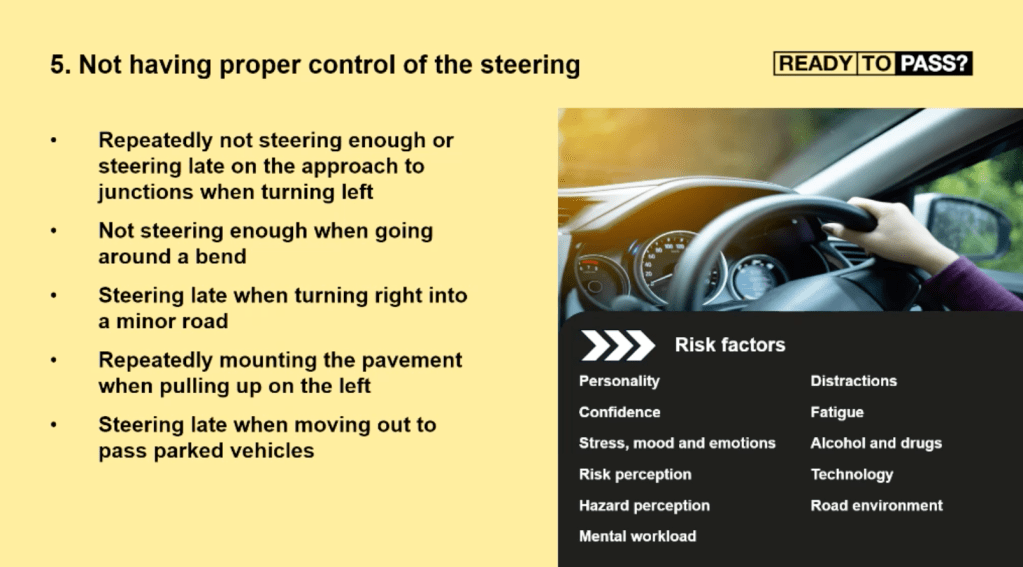
5. Not Having Proper Control of the Steering.
Maintaining control of the steering wheel is essential for safe driving as most steering faults will ultimately result in poor road position which will inevitably result in a potentially dangerous outcome with other traffic or road users. Let’s take a look at what you might do which may be counted as a steering fault.
Not steering enough or steering late on the approach to junctions when turning left.
This will result in you swinging wide as you turn into the new road, and has the potential to position you too close to the centre of the road and dangerously close to approaching traffic.
Not steering enough when going around a bend.
As above, this will result in you being in the wrong position on the road with potential to meet oncoming traffic head on.
Steering late when turning right into a minor road.
Steering late when turning right into a minor road, will cause you to overshoot your point of turn and result in you getting too close to the pavement. This will endanger pedestrians nearby, and, as you come out of the turn you will likely “Swan Neck” into the new road ending up on the wrong side as you battle to control the over steer which occurred going into the junction.
Repeatedly mounting the pavement when pulling up on the left.
Learning to pull up safely on the left is a skill which should be frequently practiced in order to consistently stop in a safe, convenient and legal place which is parallel and reasonably close to the kerb. You will be asked to do this multiple times on your test.
Steering late when pulling out to pass parked vehicles.
Where possible start to pull out when you are approximately 2 car lengths away from the parked vehicle you are passing.
6.Not Responding Appropriately to Traffic Lights.
Failure to respond appropriately to traffic lights is not only a test fault but could also have potentially serious consequences. Let’s have a look at what could go wrong at traffic lights.
Failing to react to a red traffic light.
Always approach traffic lights with caution, consider how long they have been on green and always prepare to respond appropriately to any changes.
Stopping after the first white line when there are advanced stop lines for cyclists.
Can you consistently stop in the correct position at stop and give way lines and do you know the rules for advance stop lines for cyclists?
Not progressing when you’re waiting to turn right at a junction and it’s safe to proceed.
Understand the meaning of filter arrows and right turn arrows to avoid becoming confused in the heat of the of the moment and not knowing whether to go.
Not going ahead when a green light is showing and the junction is clear.
Keep actively looking all around the car for safety and pay attention to the lights. Try to anticipate when the lights might change by watching the flow of traffic from other directions. Waiting at a red light is not an opportunity to day dream!
Going ahead when a green light is showing but the junction is not clear.
A green light means proceed if it’s safe. Consider the traffic ahead of you…for example how many cars are ahead of you? Are they waiting to turn right and blocking your passage through the junction? If so wait behind the line until you can safely navigate the junction or you might be stranded blocking the junction.
7. Not Responding Correctly to Traffic Signs.
Traffic signs provide crucial information to drivers, and ignoring or misinterpreting them can lead to dangerous situations. Aspiring drivers must familiarize themselves with the meaning of traffic signs/ road markings, and be proactive in looking out for them especially in key places such as turning into a new road or coming into a built up area. Look out for these 5 scenarios where not noticing the signage is most common.
Going to the wrong side of a keep left sign.
Take the time to properly learn your roadsigns. Be sure to be familiar enough with all the signs that they won’t confuse when under pressure in the moment!
Ignoring a stop or no entry sign.
Actively look for signage when turning into or out of a junction. This is where you will find information on the type of junction you are approaching or the sort of road you are planning to enter. For example is the junction I am coming up to a “giveway”, “stop”, blind junction, crossroads etc. Or am I about to turn into a “no entry” by mistake, or is this a “one way street”, has the speed limit changed, is it a dead end etc. All the information is there to help you navigate the roads safely but you must be actively looking for the help or you will miss it!
Driving in a bus lane.
Driving in a bus lane during it’s operational hours can have heavy fines. Some bus lanes do not allow other vehicles at any time, and others have restrictions during certain times of the day. There are signs which give information as to when you may or may not use a bus lane. Make sure you are familiar with the timings of the ones in your area and don’t enter a bus lane without first reading the signage.
Choosing the wrong lane at a roundabout with clear signage.
On the approach to roundabouts, be clear on the exit you need and look early for signage, either on roadsigns which may advise which lane for your direction, or any markings on the road which will help you choose the correct lane. Do not make any changes to position without first checking it’s safe.
Acting late or not at all to speed limit changes.
Knowing where speed limit changes are likely to occur will help you actively look for signs to avoid missing them. Where might you expect to see changes to speed limits? Coming into a town or village? At the end of a dual carriageway? Approaching or leaving a roundabout? Entering a new road? What have I missed? Where else can you think of?
8.Poor Positioning on the Road During Normal Driving.
Proper road positioning ensures smooth traffic flow and minimizes conflicts with other drivers. Candidates should strive to stay centered within their lane on a normal width road and avoid hugging the curb or drifting towards the centerline. Let’s look at this fault in more detail….
You might repeatedly drive too close to the kerb or centre of the road.
If you have a tendancy to do this how far ahead are you looking? It will be difficult to hold a correct position if you are looking just over the end of the bonnet. Raise your gaze and look well ahead at where you want to be on the road as the car will follow your eyes. If you are looking at the centre line or the pavement then that will be where you steer. On many roads you can see a dark patch running down the centre where the tarmac is not so worn from car tyres. Try sitting yourself towards the right of the dark patch for good road position.
You might unnecessarily drive in the right hand lane of a dual carriageway.
What should be your normal driving position on a dual carriageway and when is it permissible to be in the right hand lane? Overtaking? Moving over to allow traffic on the slip road to safely merge? When planning to turn right? Can you think of any other occassions?
Cutting across the normal road position when going ahead at roundabouts with no lane markings.
Follow the curve of the roundabout even when going ahead and there are no lane markings. Lane discipline on roundabouts is essential to avoid drifting into other traffic.
9. Not Responding Correctly to Road Markings.
Road markings convey essential information to drivers. Paying close attention to road markings and reacting accordingly will help you avoid this fault. Let’s take a look at how this fault might happen…
Not Following Direction Arrows on the Road.
Actively look for arrows and get in lane early.
Straddling lanes on a roundabout.
Practice lane discipline, focus on staying centred in your lane and be aware of traffic around you.
Crossing double white lines where the line nearer to you is solid.
Highway code rule number 129 states that “You MUST NOT cross or straddle it unless it is safe and you need to enter adjoining premises or a side road. You may cross the line if necessary, provided the road is clear, to pass a stationary vehicle, or overtake a pedal cycle, horse or road maintenance vehicle, if they are travelling at 10 mph“.
Ignoring a box junction.
Always actively look for road markings to help you safely navigate junctions and to ensure you don’t miss anything such as box junctions painted on the road. Bear in mind some road markings can be faded and harder to see. Know the rules for box junctions and make sure you understand what they actually mean, especially in relation to turning right when there is oncoming traffic.
Not following road markings at a mini roundabout.
The arrows painted around the edge of a mini roundabout are there to help you navigate “around “ the roundabout. Unless you are in a large vehicle it is not permissible to drive over the top of a mini roundabout. So aim your car in the direction of, and towards the painted arrows to avoid your wheels touching the roundabout as you go around.
10. Not Keeping Control of the Vehicle During Reverse Parking.
Reverse parking requires coordination and spatial awareness. Failing to maintain control of the vehicle during this maneuver can result in test failure. Practicing reverse parking in different scenarios will boost confidence and skill.
Wheels ending up on the pavement at the end of a parallel park.
This fault can sometimes happen by not accounting for road camber which can make the car unexpectedly pick up speed causing you to touch or mount the kerb. Consider the camber of the road before starting and keep close to the brake to control speed! If there is a dropped kerb you also may not notice your wheels are on so be aware of this!
Too many attempts to reposition when parking.
In my experience most examiners are fairly patient during the maneuvers, but there is a limit to how long they can allow you to keep repositioning! To avoid this fault, make sure you practice how to make corrections as no-one parks perfectly every time and correcting your parking is a real life skill you should know.
Losing control of the car when parking in a bay.
Make a note before starting of any gradients which may cause the car to pick up speed, and remember slow walking pace using good clutch control is what you are after to enable time for you to make constant checks for safety.
Ending up parking outside of the bay.
This will definitely be a fail if you leave the car outside the lines. However, you can re adjust position so make sure you have practiced making safe corrections.
Becoming a proficient, safe, and responsible driver requires dedication, practice, and an understanding of the most common driving test faults. By familiarizing yourself with the top 10 driving test faults and incorporating these practical tips into your learning process, you can increase your chances of success on the driving test. Remember, learning to drive is not just about passing the test; it’s about developing lifelong safe driving habits that will keep both the driver and other road users safe on the roads. So, buckle up, follow the rules, drive responsibly and you’ll be celebrating that pass in no time!
Here are those 10 faults again as a quick reference…
Learning to drive is an expensive and time consuming journey. It involves months of hard work and dedication both from the student, and also from the instructor, who’s job it is to not only teach the required to skills to drive a car, but also to develop responsible drivers after they have passed their test.
As trainers we are always so proud of our students as they reap the rewards of their hard work in the ultimate recognition…. Passing the Driving Test! But it’s so sad to hear of the ones who seem to forget everything they have been taught as soon as they are handed their pass certificate.
Only this week I read of the death of a new driver 2 days after passing his driving test, and another who lost his license just 2 weeks after passing. Both of these tragedies were due to speed related incidents.
The Devastating Impact of Speed
Speeding isn’t just about pushing the limits and seeking adrenaline rushes. Even if you are traveling within the speed limit for the road, that doesn’t mean that your speed is appropriate for the conditions. While speed limits are crucial and should always be respected, it’s important to recognize that they alone don’t guarantee safety. Even when within the legal speed limit, tragedy can strike.
A slight increase in speed can have devastating consequences, especially in built-up areas where pedestrians are more vulnerable. We must acknowledge that it’s our responsibility as drivers to anticipate potential dangers and maintain enough space to react effectively.
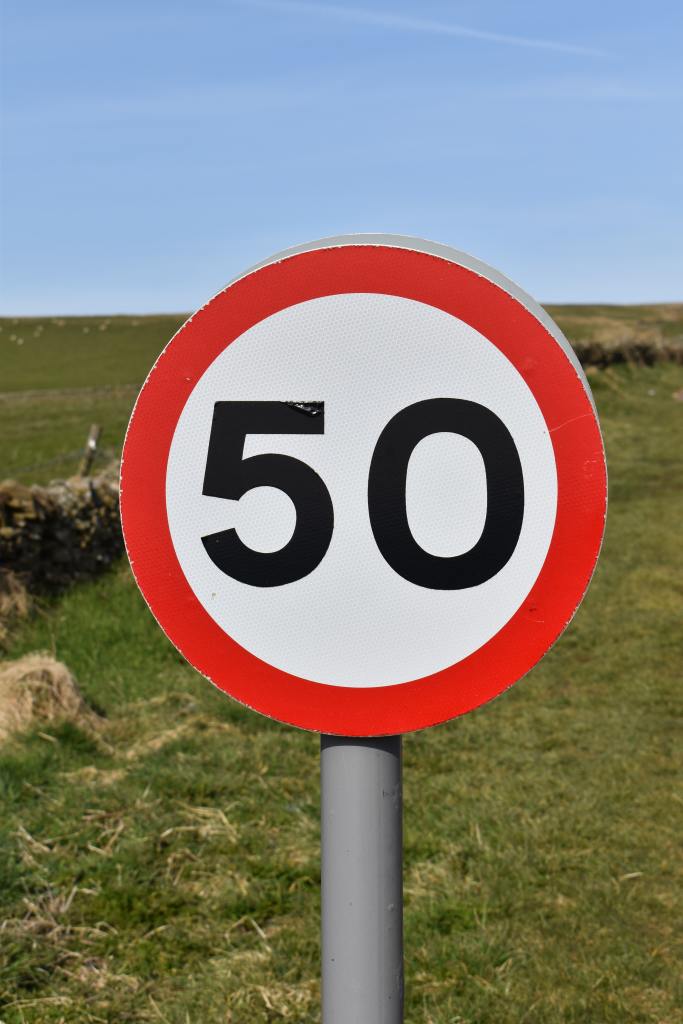
Think about the likely outcome of driving around a tight bend at 60 mph even if the maximum limit for that road is 60 mph….
Or hitting a pedestrian at 30 mph in a 30 zone?… You may not be breaking the speed limit but driving even a few miles per hour slower could make the difference between the death of that pedestrian or the chance to be able to stop in time to avoid the impact all together.
Managing speed is about having the wisdom to recognize appropriate speed for the conditions and truly understanding that to ignore what you have been taught will endanger your life and the lives of others. Every year, countless young lives are lost due to reckless speeding. The sad truth is that a few extra miles per hour can abruptly end a promising future, leaving behind shattered dreams and grieving families. It’s time to recognize the gravity of our actions and take responsibility for the choices we make on the road.
The Unseen and Unexpected
Think you have full control while speeding? Think again. No matter how skilled or confident you may feel, you can’t control the unexpected. A split second can change everything. A pedestrian unexpectedly crossing the street, an animal darting in front of your car, or a sudden obstacle on the road can turn a joyride into a life-altering catastrophe.
Understanding how our speed and the space we create around us impacts our ability to respond to unforeseen circumstances can provide us with crucial reaction time and minimize the risk of accidents.
Built-up areas, where speed limits are typically lower, present a unique challenge for drivers. These areas are often crowded with traffic and lack adequate space, making pedestrians particularly vulnerable. It’s essential to exercise caution, remain vigilant, and respect pedestrian rights. Being aware of their presence and adjusting our speed accordingly can help prevent accidents and protect lives.
By driving too fast for the conditions and not expecting the unexpected, you’re gambling with your life and the lives of others, with devastating consequences.
The Emotional Scars and Lifelong Impact
It’s easy to believe that accidents only happen to others. But the truth is, the emotional scars and lifelong impact of a collision can haunt you for years to come. Surviving an accident doesn’t mean escaping unscathed. The trauma, guilt, and regret that follow can be overwhelming. Life will never be the same again, and you’ll have to bear the weight of your actions for the rest of your life. Is a momentary thrill worth a lifetime of suffering?
Prioritizing Safety
Speeding may give you a fleeting sense of freedom, but true freedom lies in responsible choices and protecting yourself and others. It’s about embracing the power to save lives by adhering to speed limits, always driving at an appropriate speed for the conditions, being alert and focused, and respecting the rules of the road.
Speeding is not a game. It’s a deadly risk. The consequences of speeding are far more severe than the temporary thrill it provides.
Each decision we make on the road impacts everyone around us, so let this be an opportunity to reassess your choices and embrace the responsibility of driving. Together, we can break the cycle of reckless behavior, protect lives, promote a culture of responsible driving and prevent unnecessary tragedies.
Remember, it’s not just about avoiding punishment; it’s about valuing your life and the lives of others.
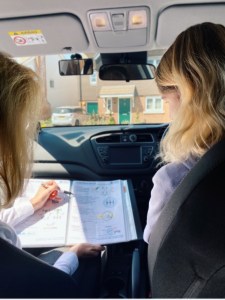
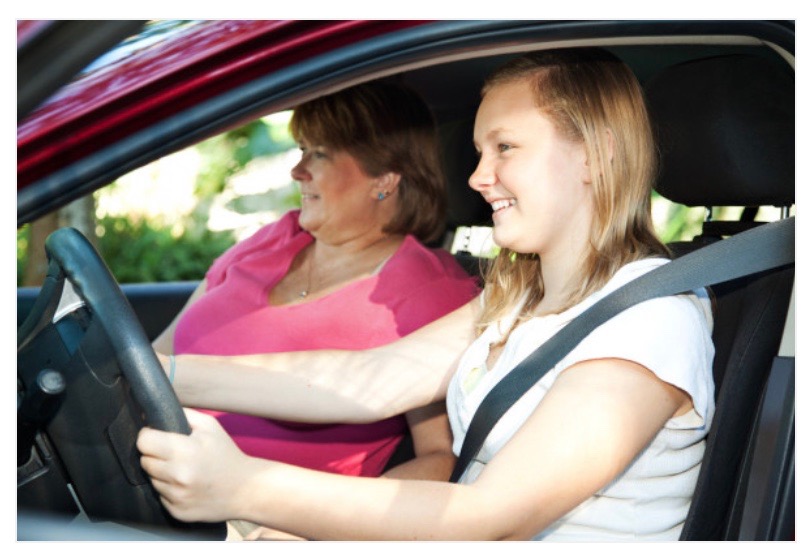
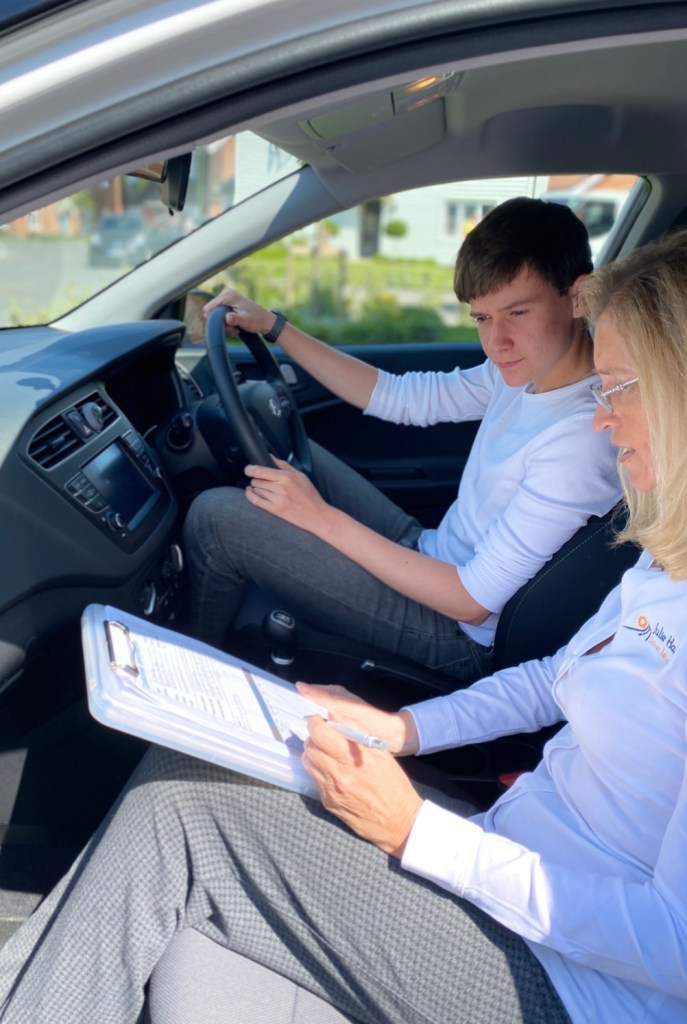
Learning to drive is a significant milestone for any teenager, and it’s also a big responsibility for any parent who chooses to supervise their child’s practice sessions. Being a parent supervisor can be both challenging and rewarding, as it requires patience, understanding, and a strong commitment to safety. In this blog, I’ll share some tips and strategies for parents who are supervising their teen driver during private practice.
Creating a Safe and Supportive Environment
One of the most important things you can do as a parent supervisor is to create a safe and supportive environment for your teen driver.
Here are some tips to help you do that:
Make the time: Practice sessions should be scheduled at a time and place when both you and your teen are well-rested, alert, and focused. Mark it on your calendar and give it the importance you would to any other scheduled meeting. We all lead busy lives and if you don’t carve out the time and commit to it; the weeks will go by, you’ll be paying more to your professional instructor than you might otherwise need to and your teen will be missing out on valuable practice which will ultimately make them safer, more experienced full license holders.
Choose a suitable training area: As a professional trainer one of the keys to a safe, successful lesson is making sure the training area is suited to the student’s current level of ability. Take advice from your driving instructor as to where you should go to practice and be led by them as to the right time to start practicing between lessons. Plan where you intend to go in advance to avoid situations above their skill set which will damage confidence and create a danger to yourselves and others. Think of the types of hazards you might encounter along your chosen route, and discuss in advance with your teen and/or driving instructor, whether they have the skills to cope and how much support they may need from you. If in doubt choose a simpler route.
Agree clear expectations/goals: Be clear about your expectations and goals for each practice session. Make sure you both agree what you’re working on and what they need to improve. This will give a sense of achievement rather than driving without purpose and just putting out fires along the way. Again, take advice from your instructor as to what you need to work on and also the best way to tackle it.
Stay calm and patient: Learning to drive can be stressful for both the teen and the parent supervisor. There is also a different dynamic at play than with a professional virtual stranger! Try to remain calm and patient, even when things get challenging. If things are getting too stressful could it be that the training area is too difficult? Try doing the same thing on a quieter road to keep things calmer, safer and preserve confidence. In any event avoid yelling or using negative language as it can create anxiety and make your teen more nervous behind the wheel.
Providing Constructive Feedback
Feedback is a crucial part of the learning process, and it’s essential that parents provide constructive feedback to their teen driver. It can be quite easy to become fault focused so instead try and focus on areas which have improved.
Here are some tips to help you provide feedback effectively:
Encourage Self Reflection: Your teen will likely be unreceptive to any negative feedback from you so try to focus on the positives with your feedback and encourage them to self analyze where they might need to improve. Ask questions such as “Is there anything which you think needs more practice?” “What will you need to do differently to improve?” This then opens up a conversation where they should be more receptive to your comments.
Focus on positive reinforcement: Praise your teen driver for their progress and accomplishments. Positive reinforcement can boost their confidence and encourage them to keep working hard.
Refer back to your driving instructor: If your teen is also having professional lessons try to avoid giving conflicting advice by referring any questions back to your instructor. Your teen will be more receptive to feedback if they know they can trust the advice you are giving. If you don’t have a professional instructor (or would just like some general free advice anyway – you don’t need to be one of my students) follow this link to join my Facebook group https://www.facebook.com/groups/juliehazelldrivereducation which is open to any learner and their supervising driver. Here I share lots of tips and tricks for getting the most from your private practice as well as practical help and advice around all things driving. You can post any questions you might have and I would be delighted to support you..
Managing Challenging Situations
Even the most experienced drivers face challenging situations on the road, so it’s important to teach your teen driver how to handle these situations safely. Here are some tips to help you manage challenging situations during practice sessions:
Practice defensive driving: Teach your teen driver defensive driving techniques such as scanning the road ahead, anticipating other drivers’ actions, maintaining a safe following distance and holding back from developing hazards.
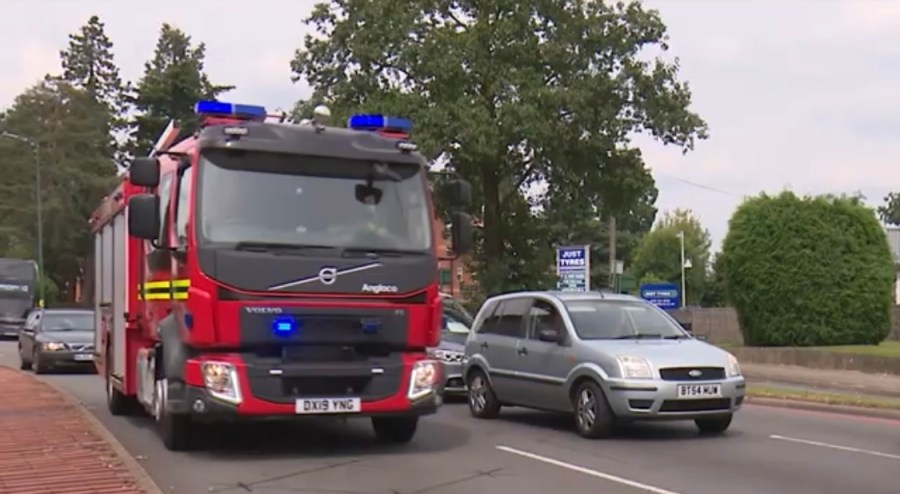
Dealing with emergency services: Make sure your teen driver knows how to safely allow access for emergency vehicles. The sirens and blue lights can be quite intimidating which may cause them to take unsafe action if they are not prepared. This 3 minute video is well worth a watch and offers some great advice as to how to safely deal with emergency vehicles
Remain calm and in control: If your teen driver gets into a challenging situation, try to remain calm and in control. Help them stay focused and provide guidance on how to handle the situation safely.
Supervising your teen driver during private practice can be challenging, but it can also be very rewarding and provides an opportunity for you to help them become a safe and more confident driver through gaining more experience before they obtain their full license. By creating a safe and supportive environment, providing constructive feedback, and managing challenging situations effectively, you can help your teen driver build their skills and confidence on the road.
Remember… the most important thing is to stay patient, calm, and supportive throughout the process, and manage risk by planning your route in advance.
Since the DVSA launched, the “Ready to Pass?” campaign to enhance learner drivers’ comprehension of what it means to be test-ready and how they can evaluate their readiness. It is claimed that 96% of learners who have used the website have found it helpful.
However, since parents can influence the learner driver’s decision when learning to drive and feeling ready for their test, the campaign has published a new supervising learner driver guide aimed at parents who plan to take their son or daughter for private practice. (https://www.gov.uk/guidance/supervise-a-learner-driver) This guide was developed based on research findings that showed parents can have a significant impact on the pupil’s readiness for the test leading to pressure on the pupil to take the test before they are ready.
The research showed that 42% of parents expect their son or daughter to have the same number of lessons as they did, even though 67% of them recognised that the driving test is now more challenging than when they took it.
76% of learners who pass their test have private practice in addition to professional lessons, with 64% of parents supporting learners with private practice.
To address the issue of parents underestimating the amount of practice and professional lessons their son or daughter needs, the campaign plans to create social media content aimed at parents, promote the newly published supervising learner driver guide on GOV.UK to parents, host an “ask the expert” webinar for parents, and work with FirstCar to develop and launch a new First Lesson guide for learners and their parents.
The campaign’s goal is to encourage parents to sit in on lessons and to promote private practice, as a combination of both professional lessons and also practicing at home, increases the learners’ chances of passing their driving test by 1.5 times.
As DVSA Approved Driving Instructors, we are being encouraged by the DVSA to actively promote the benefits of private practice. We can all do this by:
Inviting parents to sit in and observe a lesson before starting private practice (once their son or daughter is competent and comfortable enough.)
It’s crucial to ensure that all new drivers have the knowledge, experience, and skills to drive safely on their own after passing their driving test. As a result, it’s recommended that learner drivers have private practice with the support of a driving instructor which could give the following benefits:
Gain experience and manage their nerves carrying multiple passengers
Ensure parents and driving instructors are on the same page about the pupil’s strengths and weaknesses
Learners improve their driving skills
Parents learn tips from a professional
Parents understand what independent driving is and the benefits of practising this skill during driving lessons
For more information on how I can help your son or daughter learn to drive along with supporting your private practice email me at JulieHazellDriverEducation@gmail.com
“Disclosure: Some of the content in this blog post was shared by Amanda Lane, Head of Driver Testing and Training Policy, as part of the ‘Ready to Pass?’ campaign. We thank her for her insights on creating content for parents to support learner drivers.”
I was recently invited on to Terry’s podcast to talk about how I have prioritized working with parents to support their sons and daughters during private practice.
We talk about the challenges of driving with a parent, how we can support them, and we discuss my online courses and facebook group which can help save money and improve the quality of practicing at home.
For some people, learning to drive is not the exciting adventure they have waited their whole lives to start…Learning anything new is a challenge, we all bring our past experiences (good and bad) to the table, and not all of us learn to drive because we want to. So let’s look at how Thought Field Therapy may help to make the learning experience less stressful for those who feel anxious about learning to drive.
Thought field therapy (TFT) is extremely effective, and whilst I am not a TFT practitioner, I do believe it can be of benefit for some students when learning to drive. Just as we all have preferred learning styles, we also all have different ways of dealing with anxiety. Some students find that issues such as worry over the driving test, performing certain driving tasks such as hill starts, or even remembering which is your left and right can all be easily resolved using TFT techniques!
TFT sequences have been formulated over many years, it is completely natural and works by tapping certain acupressure points on your body. Each of these points has a different effect depending on the issue you are addressing. Therefore, it is important, that to get the best results, you tap the correct points in the correct order. Rather like your hazard routine (MSPSL), you have to have the basic concepts and use them in the correct order otherwise the result is not very good!
So let’s look firstly at where the tapping points are on the body and then we have 3 tapping sequences to help you with:
Remembering your left and rights!
Dealing with those hot sweats when your instructor asks you to do a task you hate!
Help to feel a little more confident around the examiner on test day!
Outside of Hand
Tapping Points
Eyebrow: At the beginning of the eyebrow, just above the bridge of nose.
Under eye: About 2cm below the bottom of the eyeball, at the bottom centre of the bony part, high on the cheek.
Collarbone: About 2cm down and to the left or right or where you would knot a tie.
Under arm: About 10cm directly below the armpit on the ribs.
Tiny finger: Inside tip of the tiny finger, adjacent to the nail, and on the side closest to the thumb.
Middle finger: Inside tip of the middle finger, adjacent to the nail, and on the side closest to the thumb.
Index finger: Inside tip of the index finger, adjacent to the nail, and on the side closest to the thumb.
Under nose: Under your nose, above the top lip.
Outside of hand: Outside edge of the hand, about midway between the wrist and the base of the little finger, the part of the hand that you would use for a karate chop.
Gamut spot: On the back of the hand about 2cm below the raised knuckles of the ring finger and little finger when making a fist.
You should tap each point about 5 times with 2 fingers (usually your index and middle finger).
Now you are familiar with the tapping points, below are the sequences that you need to use for each issue. It is important that you follow them accurately, as they have been discovered after many years of clinical research and you must use the correct tapping sequence for a specific issue. It’s no good using the basic tapping sequence for anxiety when you want to eliminate feelings of intimidation for example. Remember you should tap each point about 5 times using your index finger and your middle finger.
Mixing up left and right
This is caused by a condition known as psychological reversal, and whilst it is more common in dyslexic students, it is surprisingly common generally in the early stages of learning to drive. When we are focusing so hard on the challenging new task of driving for example, we temporarily forget the well practiced and by now subliminal skill of remembering which way is left or right when we need to turn! This sequence takes seconds to do and you can do it at home just before your lesson. I think you will be amazed at how effective it is!
Tapping Points – Outside of right hand (Tap 5 times), Under Nose (Tap 5 times), Outside of left hand (Tap 5 times). Repeat this sequence 3 times just before every lesson and you should have less trouble with remembering left and right!
Mixing up left and right is more common than you think…even for our mascot Lilly!!!
Anxiety, nerves, stress, or issues such as hill starts, manoeuvres etc
It is common for learner drivers and even qualified drivers to be nervous of certain aspects of driving, for example hill starts or manoeuvres. If you find yourself feeling anxious before your driving lesson, and it relates to a certain issue, try the below tapping sequence to help calm those nerves. But… also speak with your driving instructor as they should have plenty of tricks in their tool box to help you improve the skill and boost your confidence.
Tapping Points – Under Eye (Tap 5 times), Under Arm (Tap 5 times), Collarbone (Tap 5 times). Repeat the sequence until you feel calmer.
Intimidation, such as feeling intimidated by the examiner
It is natural to feel nervous on test day and a healthy level of nervousness is normal which will help you perform at the top of your game. Many students however feel intimidated by the thought of the examiner which can hinder their test performance, so it may be worth trying the below sequence to help keep those feelings of intimidation at bay.
Tapping Points – Eyebrow (Tap 5 times), Under Eye (Tap 5 times), Under Nose (Tap 5 times), Collarbone (Tap 5 times), Tiny finger (Tap 5 times). Repeat the sequence until you feel more at ease.
As with most problems, there is not always one solution, but I believe Thought Field Therapy does have it’s place as a natural remedy in helping to calm driving nerves…so why not give it a try when you go back to driving after lockdown!
As yet another lockdown starts to draw to an end in the UK, I am painfully aware that many of my students have not been driving very much at all. Back in December, we were forced to stop Driving Lessons completely, and for those of you lucky enough to have a car for private practice, your time behind the wheel will have been limited to essential journeys only.
Whilst I am sure we all appreciate that staying home is necessary to save lives, the prospect of returning to Driving Lessons may now be a mixed bag of emotions for many of you. These emotions may understandably include symptoms of driving anxiety…
So… what can we do to help you ease gently back into the task of driving feeling excited and confident?
1. Revise your Theory
Even if you have passed your driving theory test, take time to either read the highway code or go over some test questions on your app if you have one. This is a good habit to get in to even after you have passed your driving test, as it keeps you up to date with changes in the law. At this time it will also help you get back into the driving mindset and will give you more confidence as you remind yourself of the rules of the road.
2. Speak to Your Driving Instructor
If you are feeling nervous about restarting lessons, try to focus on exactly which aspects feel particularly scary to you (there are no right or wrong answers here…these are your feeling and they are very valid!) Then… speak to your driving instructor. Do this before the lesson, tell them how you are feeling and which areas are particularly of concern. Together you will then be able to come up with a lesson plan that you are comfortable with and which will address any issues you might have. With a plan in place in advance, you should feel more confident about your first lesson back. Should things go better than expected, then you can always agree to adapt the plan during the lesson as you regain your confidence!
3. Revise your lesson notes
I provide all my students with lesson notes whenever we learn a new topic. Lesson handouts help consolidate the practical skills which have been learned and enable you to go back over the content in your own time. If your instructor does this for you, now would be a good time to refresh your knowledge by going over your lesson handouts. This will leave you feeling less rusty.
4.Get some private practice (once lockdown has lifted)
If you have access to a car, try to go on a gentle car journey with your usual accompanying driver. This will help to settle you back into the practical skill of driving before your first lesson, and it will help you blow off a few cobwebs! Keep it close to home and simple, just do some basic junctions on roads you are familiar with. Keep the session short, no longer than 20 mins and afterwards you should feel a lot more confident having revisited the basics.
5. Positive Mental Attitude
Prepare yourself mentally before you have your first lesson back. Make sure you get plenty of rest the night before. To help reduce stress levels further, try to do whatever keeps you calm just before your lesson. This may include yoga, running or listening to music. Also ensure you eat to maintain your blood sugar levels, but it may be sensible to avoid caffeine before you drive as it can trigger anxiety in some people.
6. Thought Field Therapy (TFT)
Finally you could try some thought field therapy techniques (TFT). This can be very useful for overcoming test nerves and dealing with anxiety and stressful situations in general. You can read more about TFT here and next time I will give you some tips on how you can apply thought field therapy techniques to improve your driving confidence!
It’s been a while now since coronavirus forced us to put learning to drive goals on hold. Are you worried that you will have lost some of your driving skills which will now take time and money to put right? Our FREE online training offered in partnership with Driver Active, will help you stay on track with your driving even if you can’t have practical lessons at the moment.
We are slowly starting to come out of the dark and we are learning to adjust to some sort of a ” new normal” but we understand that whether you have only had a few lessons or were almost test ready, your concerns around your driving are valid and so just how can we make a “new normal” for learning and maintaining practical driving skills when we are still required to uphold social distancing rules?
Practicing Show Me, Tell Me Questions
If you are already one of our students then you will be familiar with the unique Driver Active online training programme, for which we usually offer 90 Days Free Access but… to help all learner drivers and, until we can safely get back in the car, we can now offer unlimited access to online, no obligation training, absolutely FREE whether you are one of our students or not!It is chock full of information and videos presented in an interesting way, (We are aware driving related topics can be a dry read!) Whilst there can be no substitute for practical “road experience” with a qualified instructor, this programme offers valuable interactive insights into the practical skill of driving and will help you retain and build on the skills you already have!!!
Under normal circumstances, we use online videos and tutorials to go into a little more detail than we sometimes have time for when we are in the car, as after all when you are with me you will want to gain the maximum benefit from my expertise whilst actually driving! So these videos are designed to accelerate and deepen your learning at home, allowing you to consolidate your last lesson, help you prepare for your next lesson and most importantly SAVE you money on learning to drive! Having said that during extended periods where you cannot take practical lessons they are also invaluable in keeping your knowledge at the forefront and exercising your “driving brain”…..This unique online programme will give you the opportunity to “dig deeper” into the knowledge you already have, or it may help you look at a particular problem in a slightly different way, which could then help you solve it when you go back to your lessons. You will never again have the luxury of so much time to expand your knowledge and offset some of the lack of practical training opportunities you are currently facing.This could not only result in you needing fewer lessons but guaranteed it will make you a better driver and more likely to pass your driving test!
With thisFREE training you can refresh everything you have learned so far as well as understanding and preparing for what is yet to come. If you spend quality time working through this progamme now, you should be in a position to resume your Driving Lessons stronger and wiser!
FREE Driver Active online training program can help you:

























 Julie Hazell Driver Education